

Business and Investment Disputes
Disagreements between partners, shareholders, investors, suppliers and customers, handled in a way that protects commercial confidentiality and working relationships.
Learn moreAlternative dispute resolution · Amrahia, Accra
Liberty ADR Centre helps individuals, families, businesses and organisations explore practical ways to resolve disputes through negotiation, mediation and arbitration.
Sending an enquiry does not commit you to anything and does not start a formal process.
Founded on a simple conviction: conflict need not end relationships. Handled well, it can open the way to understanding, restoration and a new beginning.
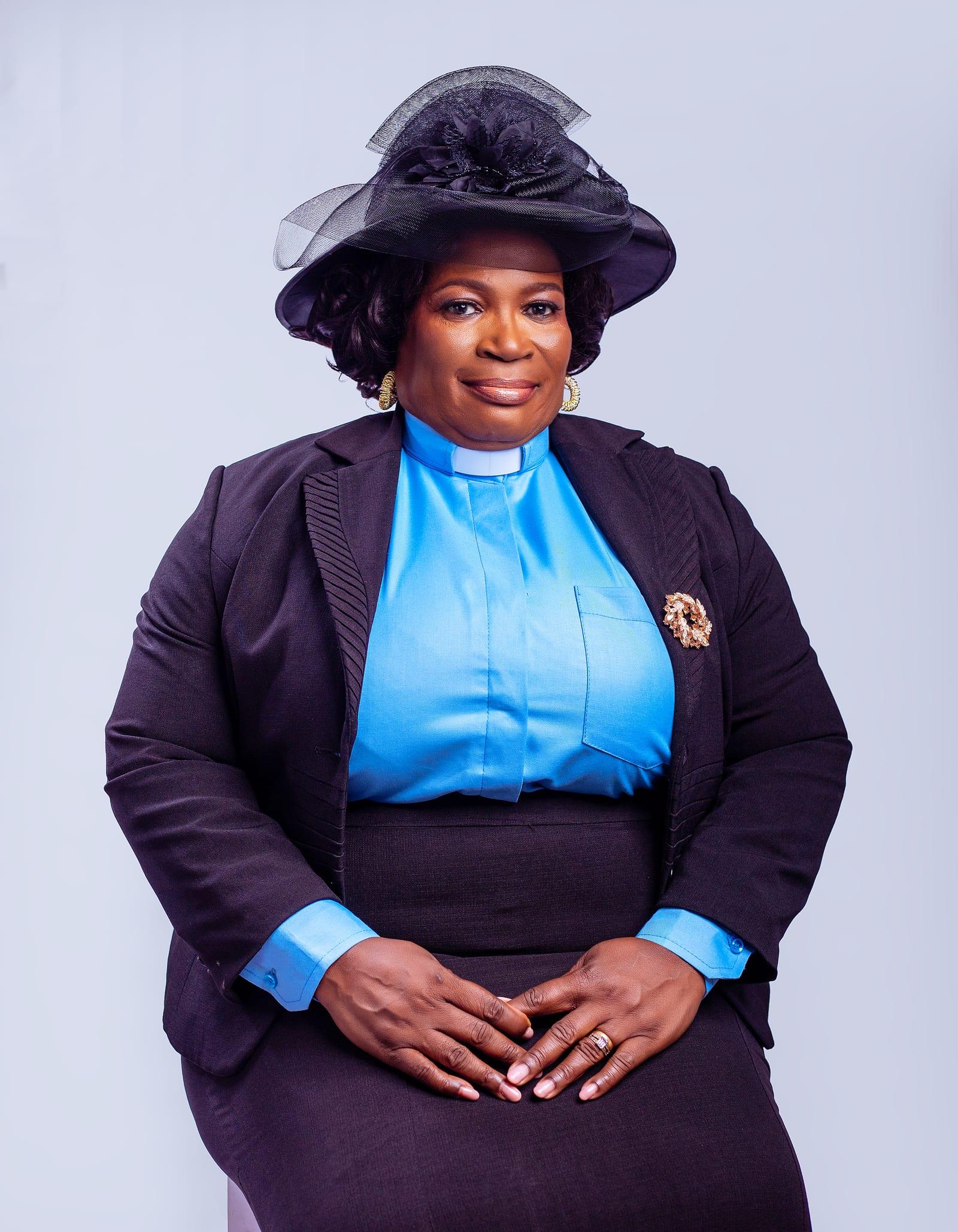
Founder
Bishop Esther Korkor Wilson
Founder & President, Liberty ADR Centre
Read her profileThree routes to resolution
Negotiation, mediation and arbitration
Six dispute areas
From family land to business partnerships
Online sessions
Where suitable for the matter and everyone involved
Amrahia, Accra
Dodowa Road, opposite Christian University
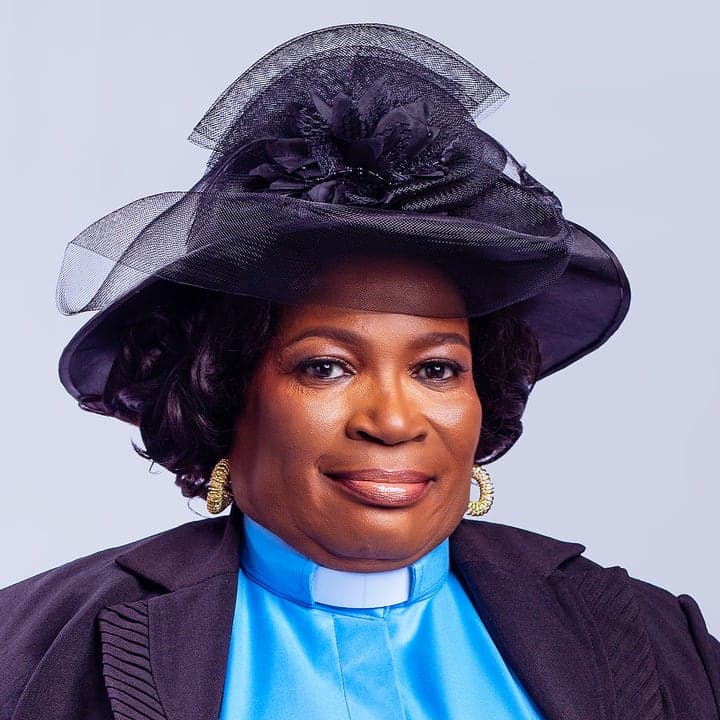
Bishop Esther Korkor Wilson
Founder & President
Founder and President of Liberty ADR Centre, bringing ADR training together with long experience in pastoral leadership, counselling and community engagement.
Read profileOur people
About the Centre
Liberty ADR Centre was established in 2026 in Amrahia, Accra, to make alternative dispute resolution more accessible to individuals, families, businesses, institutions and communities.
Disputes are rarely only about the immediate disagreement. Communication, trust, expectations and dignity often sit beneath them. Our work is to give people a fair, structured and respectful setting in which to be heard and to find a way forward.
Integrity
We uphold honesty, fairness and transparency in all we do.
Neutrality
We remain impartial, ensuring every voice is heard and respected.
Confidentiality
We protect the privacy and trust of all parties involved.
Empathy
We approach every conflict with understanding and humanity.
Professionalism
We deliver excellence through competence and ethical practice.
Collaboration
We believe peace is built together, through dialogue, unity and partnership.
Sustainability
We promote peace that lasts, transforming communities beyond the moment of resolution.
Dispute areas
Disagreements between partners, shareholders, investors, suppliers and customers, handled in a way that protects commercial confidentiality and working relationships.
Learn moreBoundary, ownership, family land and development disputes, approached carefully because land rights in Ghana often raise legal and customary questions that need proper verification.
Learn moreSeparation arrangements, arrangements for children, family property and inheritance disagreements, handled with discretion and close attention to safety and children's wellbeing.
Learn moreSupport through dialogue for families, communities and traditional institutions, working alongside, never in place of, the customary and statutory bodies that determine chieftaincy matters.
Learn moreLeadership, governance, property and membership disagreements in churches, religious bodies, associations and other community organisations.
Learn moreUnpaid debts, repayment arrangements and disagreements between landlords and tenants, with a focus on practical, affordable agreements both sides can keep.
Learn moreWays to resolve a dispute
01
The parties talk directly, or through representatives, to reach their own agreement. A neutral can help structure the discussion.
02
A neutral mediator helps the parties communicate, understand the issues and explore options. The mediator does not take sides or impose a solution.
03
The parties agree to let a neutral arbitrator hear both sides and decide the dispute. It is only available where the parties have agreed to it.
Not sure which applies? Read our guide to mediation and arbitration, or ask us when you get in touch.
How it works
Tell us about your situation by phone, WhatsApp, email or the online form.
We discuss whether ADR is suitable, check for conflicts of interest and explain your options.
If everyone agrees to take part, a neutral guides the process, in person or online where suitable.
Agreements are put in writing. If none is reached, you remain free to consider other options.
What you can expect
Our neutrals do not take sides or act for either party. Conflicts of interest are checked before anyone is appointed.
Negotiation and mediation depend on everyone agreeing to take part. Nobody can be made to settle.
Sessions are confidential within legal limits, and we explain those limits before you begin.
We explain your options plainly, including when ADR is not the right route, and encourage independent legal advice.
Processes can be adapted to customary protocol and to the traditions of churches and organisations.
The aim is an arrangement people can actually live with, written down clearly.
Is ADR right for you?
If you are in immediate danger, contact the police. If you are unsure whether ADR fits your situation, we will tell you honestly.
Questions
ADR describes ways of resolving disputes without a full court trial. The most common are negotiation, mediation and arbitration. In Ghana, the Alternative Dispute Resolution Act, 2010 (Act 798) provides the main legal framework for arbitration, mediation and customary arbitration.
ADR is sometimes called appropriate dispute resolution, because the aim is to choose the process that best suits the dispute.
A mediator is a neutral person who helps the parties communicate, understand the issues and explore options. The mediator does not take sides, decide who is right or impose a solution. Any agreement is made by the parties themselves.
Confidentiality is a core feature of mediation and arbitration, and the parties normally agree confidentiality terms at the outset.
Confidentiality is not absolute, however. There are legal limits, for example where there is a risk of serious harm, where disclosure is required by law, or where a settlement agreement has to be enforced. Your neutral will explain these limits before sessions begin.
A member of the Centre's team reviews your enquiry and contacts you, using your preferred method, to discuss it. Submitting an enquiry does not create an appointment, does not mean the Centre has accepted the matter and does not start any formal process.
Fees depend on the type of process, the complexity of the matter and the time involved. The Centre will explain any fees before you commit to a process. There is no charge for sending an enquiry through this website.
Next step
Tell us what is happening in your own words. We will explain the options available and whether ADR is likely to help. Sending an enquiry does not commit you to anything.